FINDING PRIDE AMID DIFFERENCES

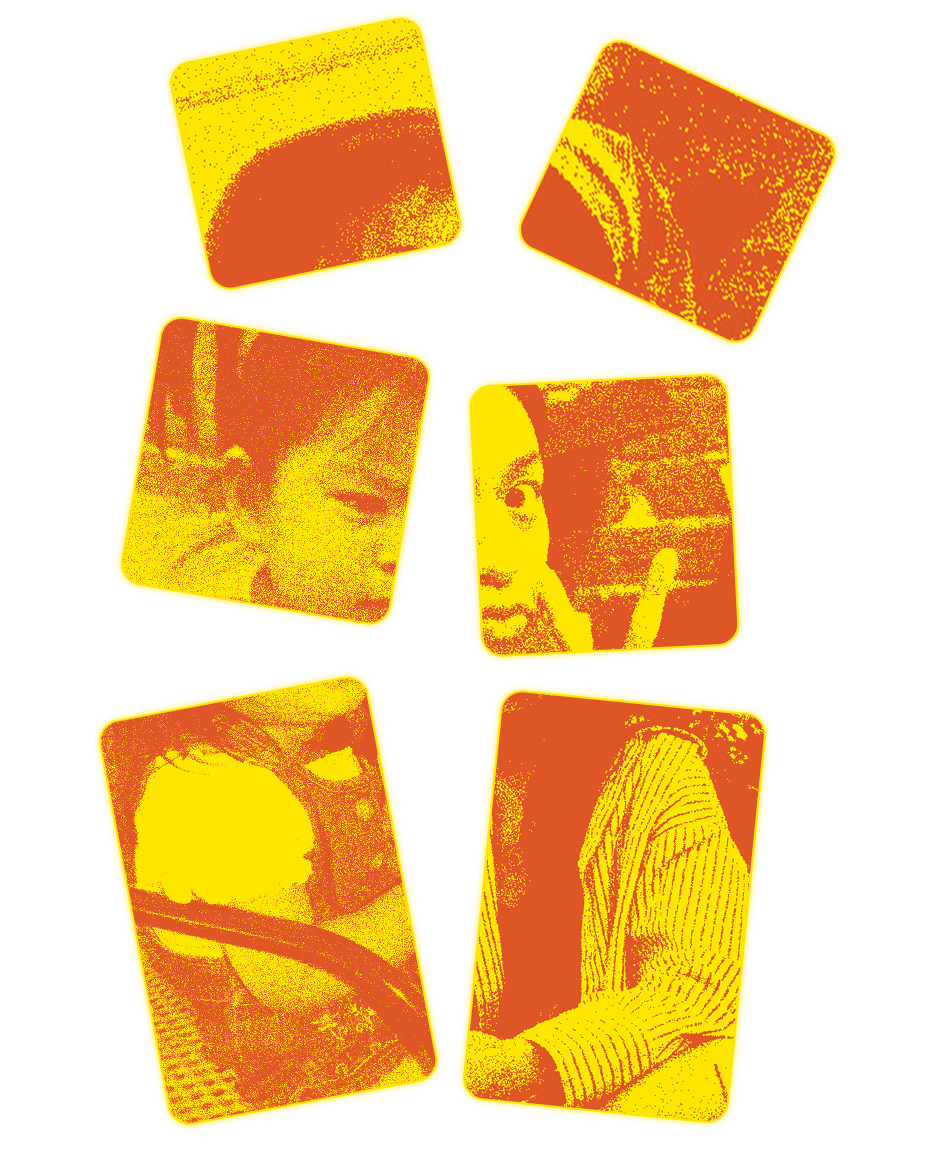
Maxine unpacks how shifting between different education systems has shaped her relationship with language, and the ongoing tension between disconnection and belonging.
As someone who grew up experiencing two different kinds of education (first in a local Mainland Chinese school and later in an international one), I learnt to interact with and practice languages in very different ways. When I was still in an environment where Mandarin was the primary language for both conversation and education, it was the one that I was most with. Chinese education shaped how I presented myself and influenced my personal development, through the way Chinese people speak, in combination with the cultural beliefs and ideologies rooted in traditions like Confucianism.
But as my education switched to an international environment, I had to learn to and become more versatile with English. Over time, English slowly replaced Chinese to become my primary language, which largely contributed to the development of my personality as I grew older. Yet, because I was studying in an international school in China, I was still surrounded by Chinese media and popular culture. I continued to engage regularly with Chinese culture and people through the language disseminated across social media. That engagement, however, eventually faded from my daily life as well as personal interests after I moved to Melbourne. Along with the limited interaction I had with the Chinese community, it had resulted in me speaking Mandarin less and less. This in itself doesn’t upset me significantly, but more so the fact that when I do speak Mandarin with another Chinese person, I always feel the need to clarify that I can only speak it in a more colloquial way, even though I am Chinese. I can no longer fully express or elaborate my thoughts in Mandarin, even though I’m aware of the language’s immense capacity for expression. This has always been a huge obstacle for me to feel fully Chinese, and oftentimes, it leaves me with a feeling of shame about my lack of practice.
The distance extends beyond language. As I’ve grown older, my morals and values have also shifted in ways that no longer align fully with those of my ethnicity. It is quite hard for me to tell if that change comes from cultural differences or my personal experience. But I’ve found it increasingly challenging to interact with people from my heritage background without friction, whether because of differing behaviours, judgements, language barrier or simply ways of seeing the world.
After moving to Melbourne, the differences became even bigger. One of the most noticeable was how people of my ethnicity navigated foreign or international environments. Although it’s a nuanced and maybe generalised observation, their behaviour here often reflects a strong sense of collectivist ideology, something that I struggle to find comfort in. As I’ve continued living in Melbourne, that discomfort has gradually led me to diverge from the community. It pains me to see patterns that place people from my heritage culture into a category. As someone who shares that background, I can recognise the mannerisms and behaviours coming from the same education, language, and generational experiences. Yet, it’s still quite frustrating to see these familiar traits become the dominant representation of my people.
I’m still learning to navigate the cultural gap that I experience between my cultural identity and my heritage culture. Even so, I do find myself sharing my heritage culture with others who are less familiar with it, perhaps out of nostalgia or a sense of that I feel from time to time. Though I might have diverged from what’s traditionally considered “Chinese”, the fragments of my heritage culture remain as a strong foundation of who I am.